
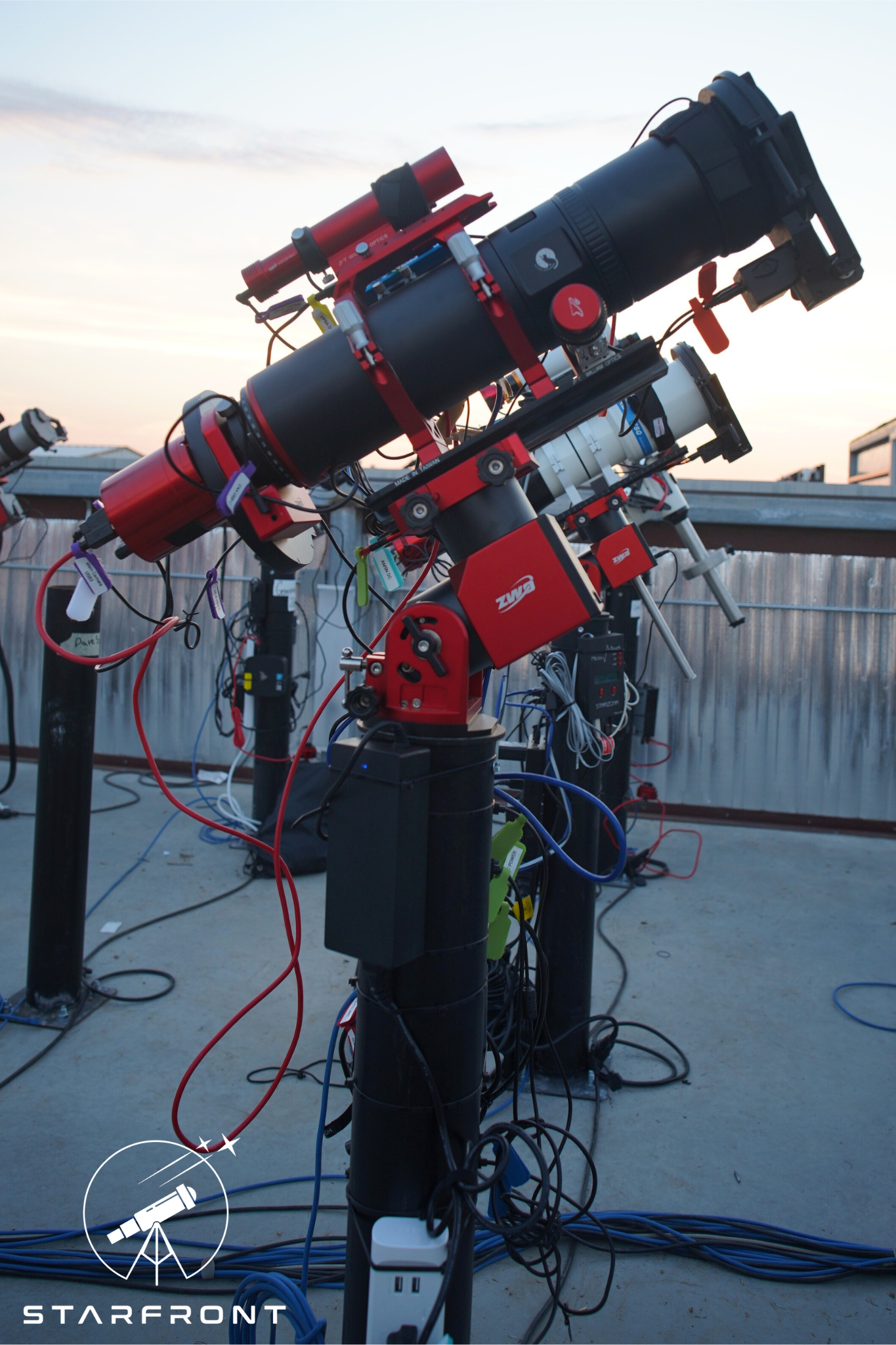
From a Florida Driveway to a Texas Dark Site
I got into astrophotography the way most people do: pure curiosity about the cosmos, followed immediately by the terrifying discovery of what the hobby costs. I spent five months researching equipment — starting from not understanding even the basics — until I felt ready to pull the trigger on more than $10,000 of gear. Ready is a strong word. I pulled the trigger anyway.
What followed was a glorious first season. From late December to early April, I imaged every weekend I could, three to five hours a weekend, taking pictures I never thought I'd be capable of taking. Every clear Friday and Saturday felt like a gift.
Then Florida remembered it was Florida.
The Problem
From April to July, the weather simply did not cooperate. Watching a heavy investment sit in a closet doing nothing is its own special kind of torture, and it sent me down the research rabbit hole: remote observatories (priced for the ultra-wealthy), buying land under dark skies (add solar, batteries, Starlink — the budgets got ugly fast), and every other scheme a clouded-out astrophotographer invents at 2 a.m.
Then I found Starfront Observatories — a project run by astrophotographer Bray Falls in the Bortle 1 skies of central Texas. It launched at exactly the right moment for me, and I reserved a pier almost immediately.
The Crate
Sending your telescope 1,200 miles away to run unattended concentrates the mind. I documented every component before it shipped — every cable, every port, every connection photographed and labeled — so the rig could be assembled perfectly by someone who wasn't me. I built a custom crate for the trip and shipped the whole observatory-in-a-box LTL freight to Texas.
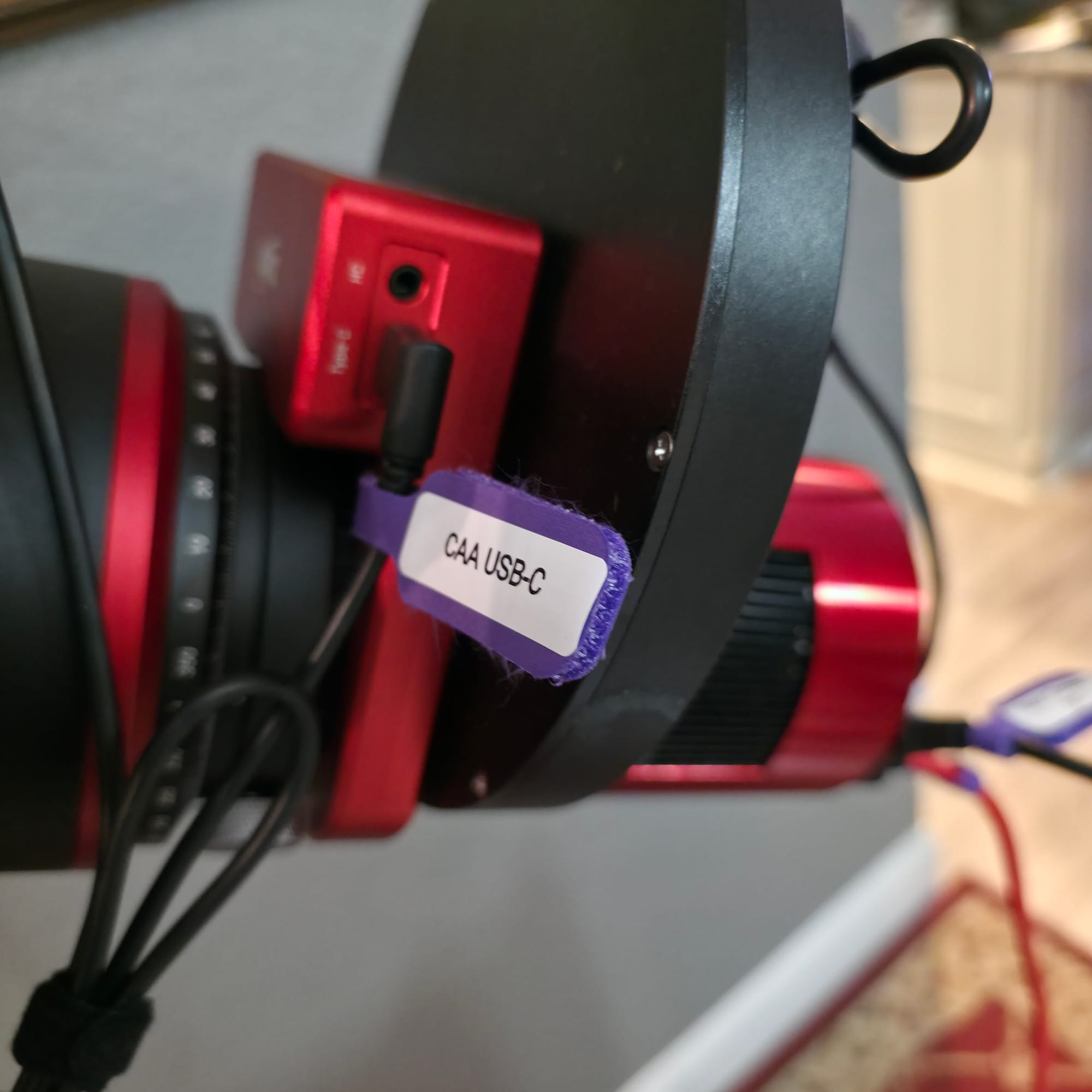
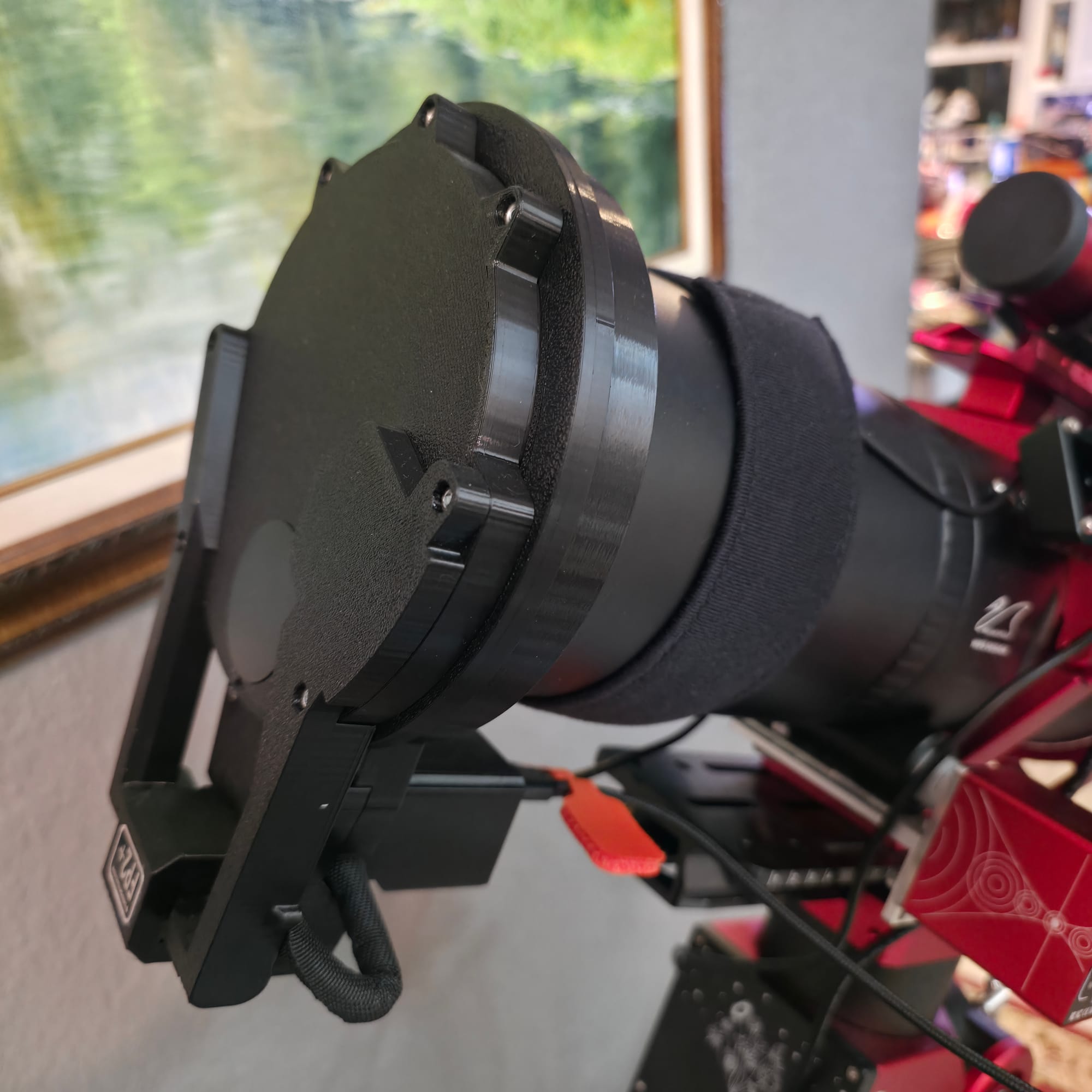
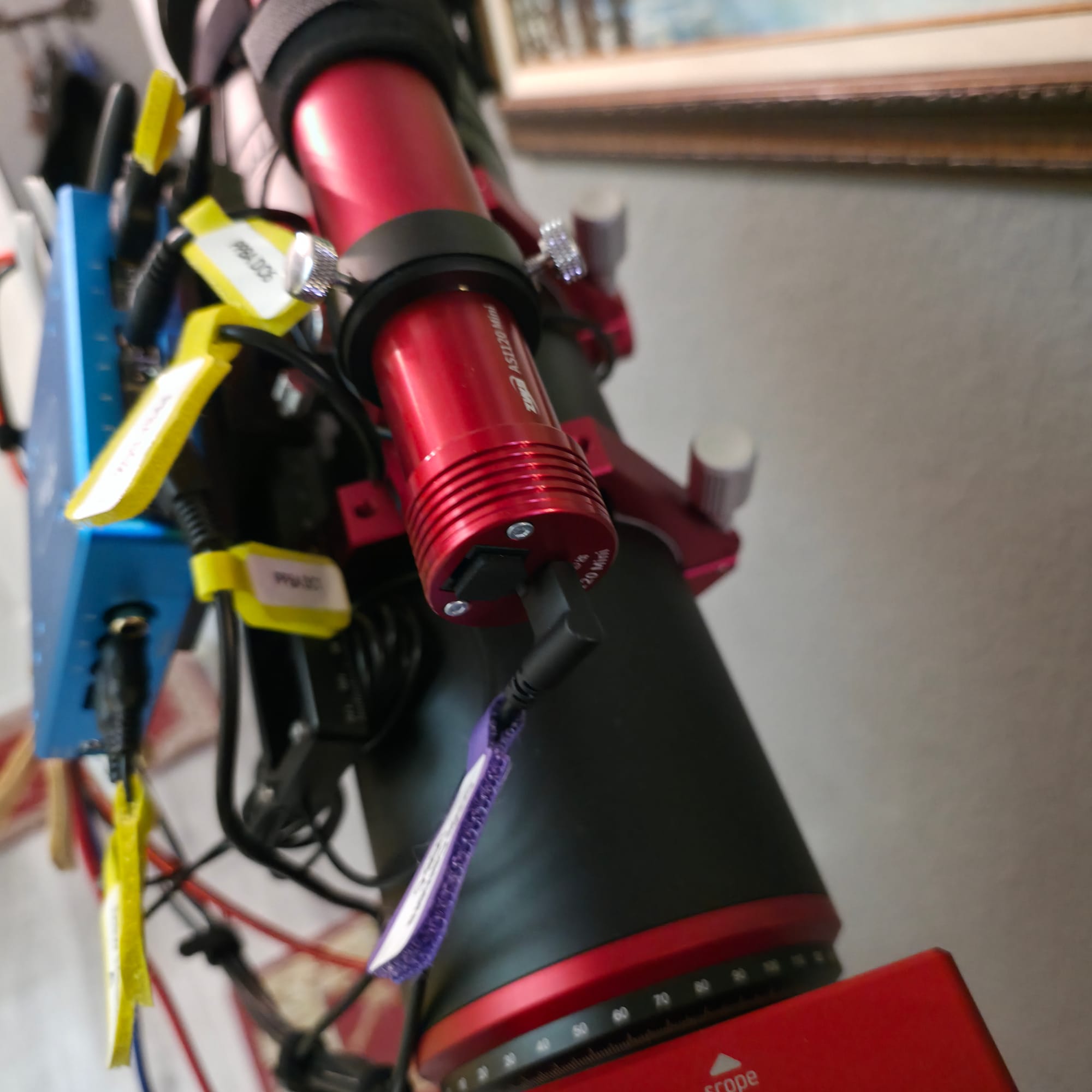
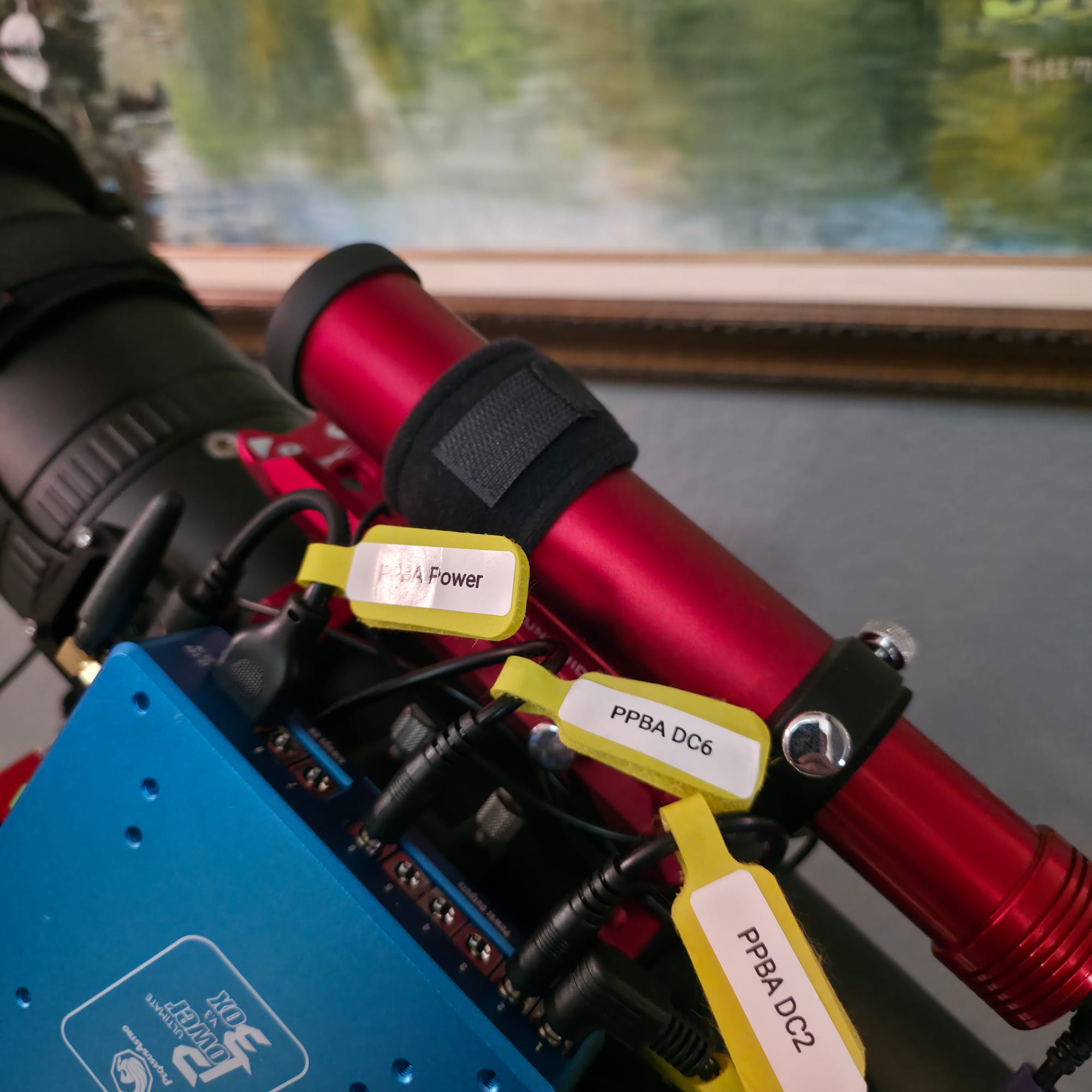
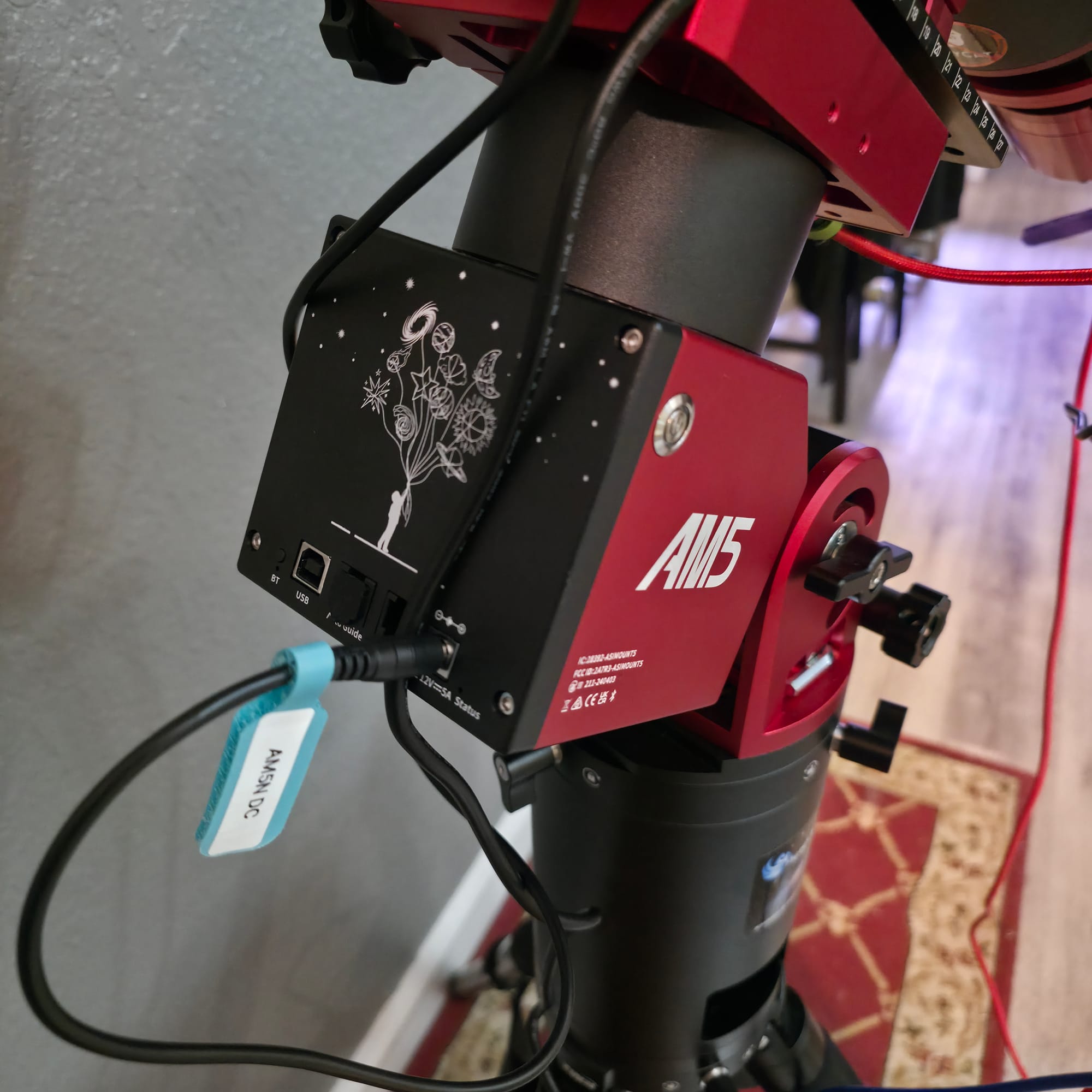
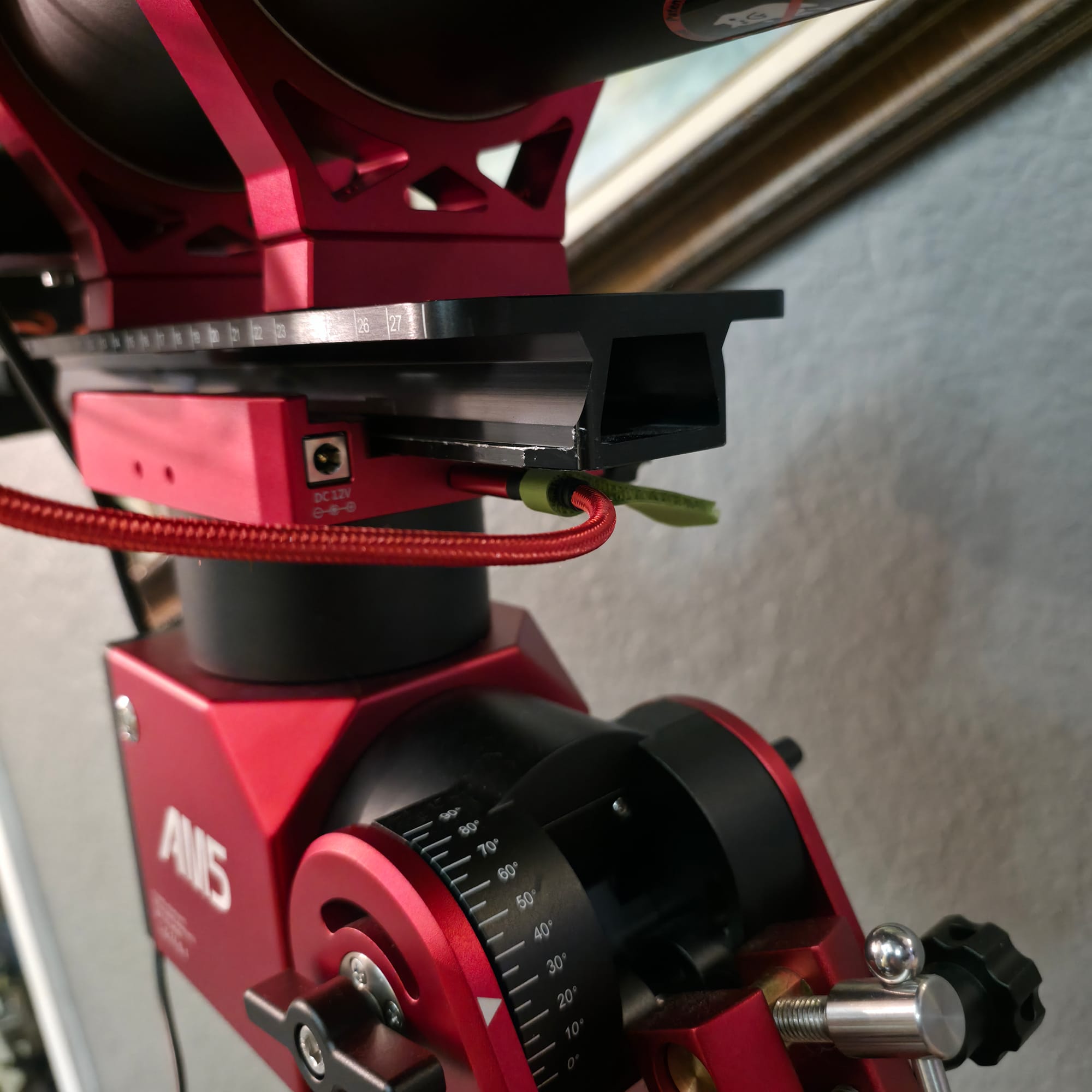
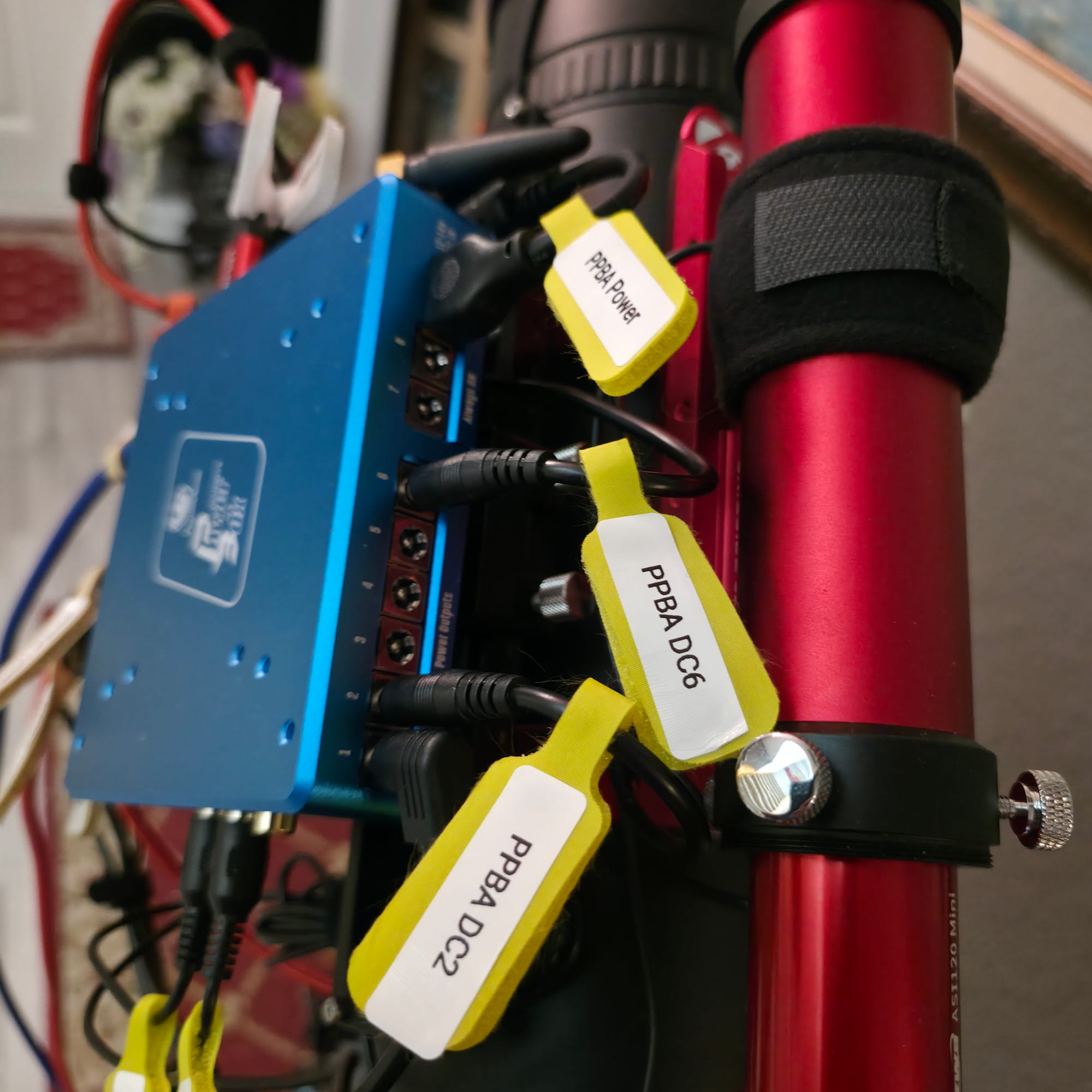
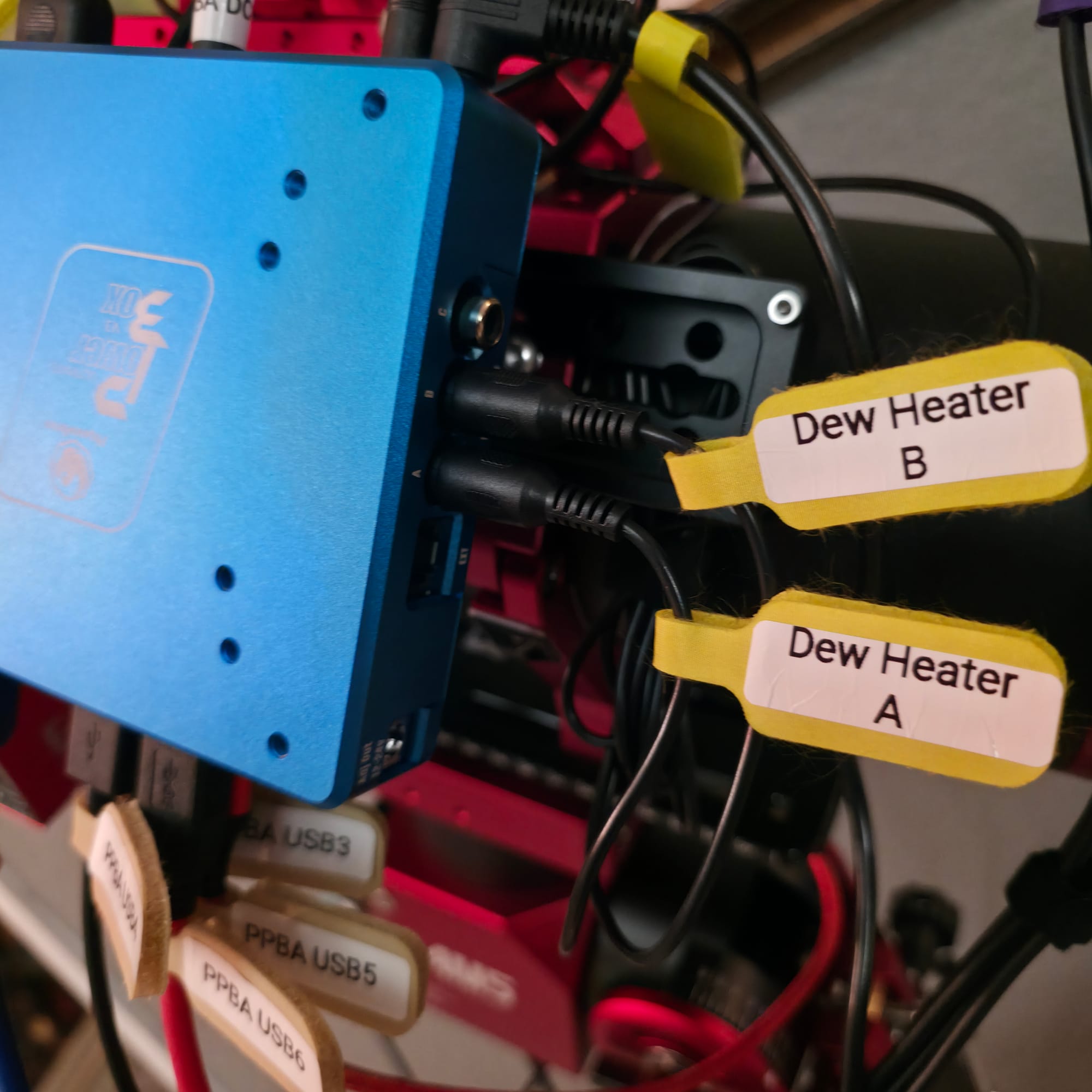
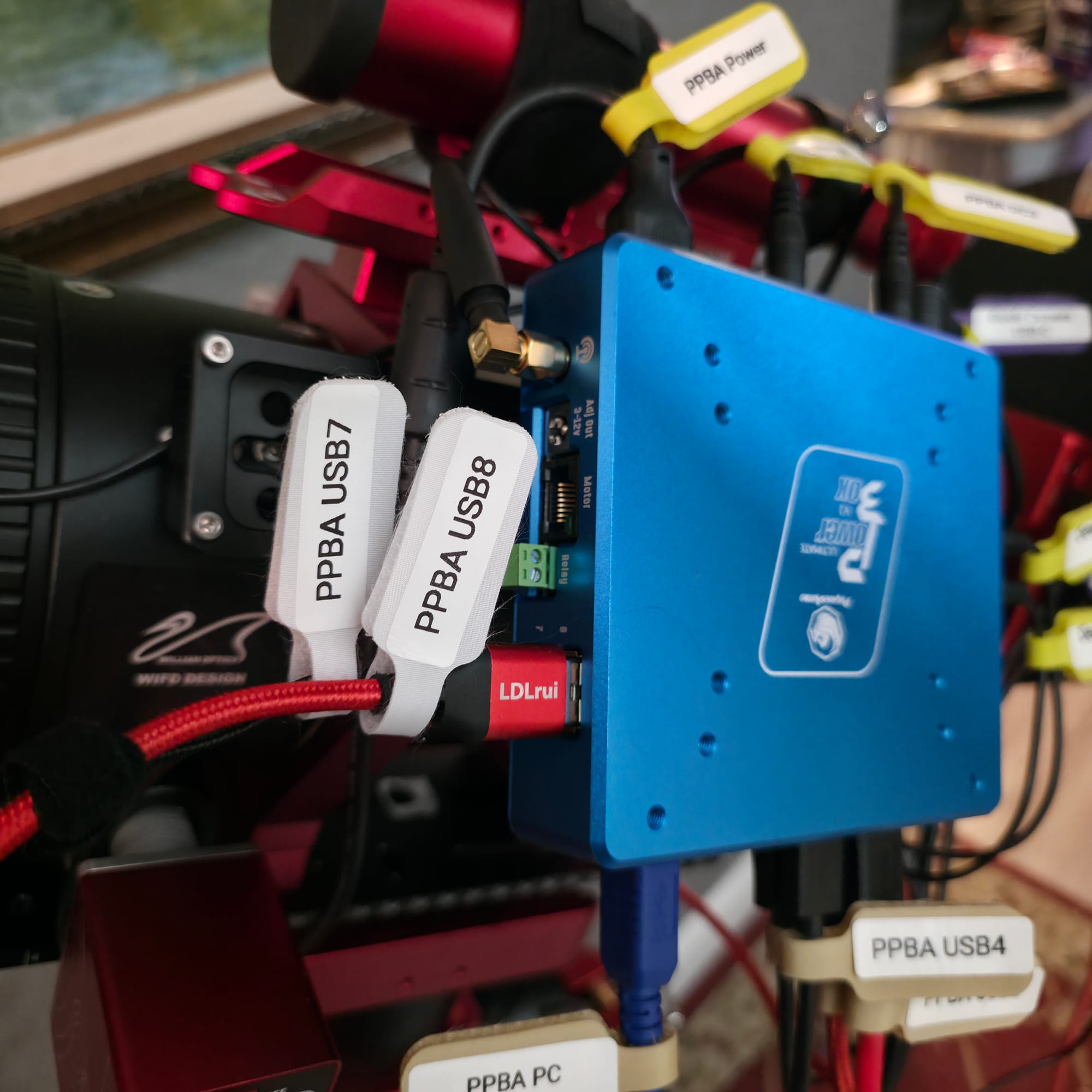
What I didn't know was that Starfront films the setups. So here, in timelapse, is Bray Falls himself opening my crate and building my rig on its pier.
My rig, assembled by Bray Falls at Starfront — from crate to pier. Video courtesy of Starfront Observatories.
Now
The difference is hard to overstate. At home I measured imaging time in hours per quarter. Now the rig shoots every clear night — dozens of hours a week when the skies allow — fully automated with N.I.N.A., which I taught myself remotely after only running on the ASIAIR. Clouds still happen; they just don't interrupt the process much anymore.
The Rig
| Equipment Type | Equipment |
|---|---|
| Telescope | Redcat 91 |
| Imaging Camera | ZWO ASI2600MM Pro |
| Mount | ZWO AM5N |
| Filters | Antlia 3nm (S,H,O), V-Pro LRGB |
| Accessories | ZWO CCA, ZWO EFW (7x2"), ZWO EAF, DeepSkyDad FP2 |
| Capture Software | N.I.N.A. |
| Processing Software | Pixinsight, RC Astro, SetiAstro |
The Site
Every image here comes off that pier. Each post is the full story of one object — what it is, what to look for in the frame, how to find it in the sky, and exactly how the data was captured and processed. I'm still early in this journey and still learning constantly; that's the entire point.
If you're curious about the hobby, the gear, or Starfront itself, get in touch — I'm always happy to talk someone else into this wonderful, expensive obsession.